
Hey, want to actually understand yourself better?
Most of us walk around thinking we know who we are — until life throws a curveball and we realize we’re reacting on autopilot. That’s where self-awareness comes in. It’s not some fancy concept; it’s simply the ability to see yourself clearly — your thoughts, your emotions, your patterns, and why you do the things you do.
When you get better at this, everything starts to feel easier. You make better decisions, your relationships improve, you stop self-sabotaging as much, and you feel more in control of your life. It’s genuinely one of the most valuable skills you can develop.
Ready to get started? Let’s walk through this together, like I’m chatting with a good friend over coffee.
Start With the Basics: Getting to Know the Real You
Self-awareness begins on the inside. It means being honest about your values, what actually matters to you, and what drives your decisions.
Take some time to think about what you truly believe in and what kind of life feels meaningful to you. Also, get to know your emotions. Instead of letting them control you, start noticing them: What am I feeling right now? Why am I feeling this way?
The goal isn’t to judge yourself. It’s to understand yourself. Knowing your strengths gives you confidence, and owning your weaknesses opens the door to real growth. You don’t need to be perfect — you just need to be aware.
Mindfulness and Meditation: Slow Down and Tune In
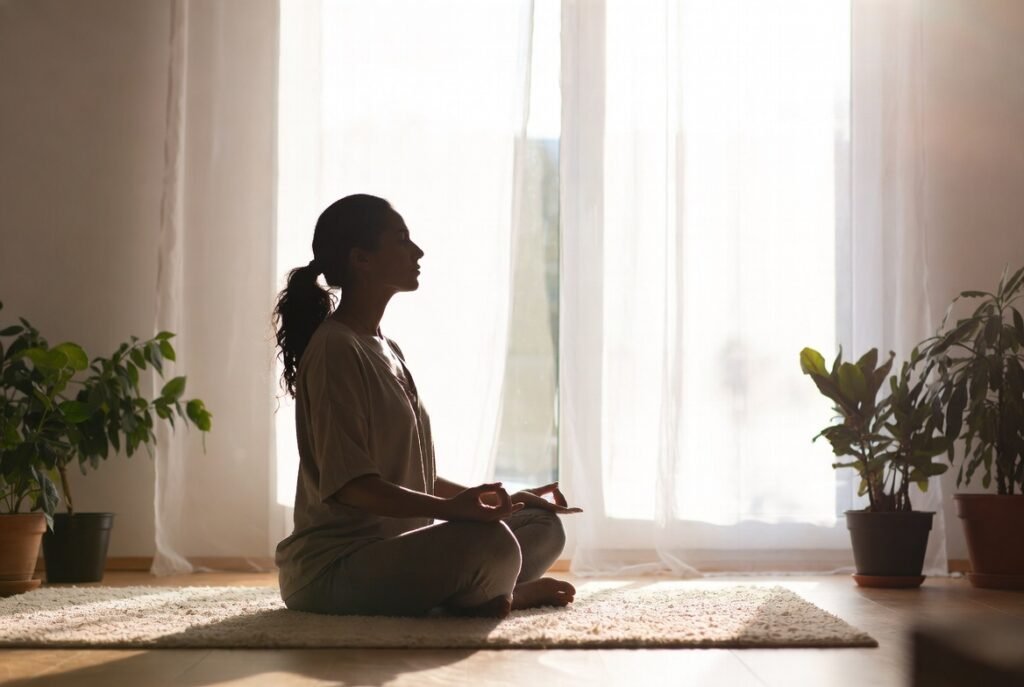
One of the simplest (and most effective) ways to build self-awareness is by practicing mindfulness. Basically, it’s learning to be present instead of living on autopilot.
You don’t need to sit for hours in the lotus position. Just a few minutes a day of quietly watching your thoughts and feelings can make a huge difference. Meditation helps quiet the mental chatter so you can actually hear what’s going on inside.
Over time, you’ll react less and respond more. You’ll make clearer decisions and stop getting triggered by every little emotion. It’s like giving yourself an emotional upgrade.
Journaling: Your Private Truth-Telling Session
Journaling is one of my favorite tools for self-awareness. There’s something powerful about putting your thoughts on paper. It helps you process emotions, spot patterns, and understand yourself on a deeper level.
You don’t need to write a novel. Just be honest. Ask yourself simple questions like:
- What am I feeling today and why?
- What’s been bothering me lately?
- What did I avoid this week?
Regular journaling turns into a personal growth map. You’ll start seeing your own blind spots and wins more clearly.

Don’t Skip the Outside Perspective
Sometimes we can’t see our own stuff clearly — that’s where trusted people come in. Ask a close friend, partner, or mentor for honest feedback. Questions like “How do I come across when we’re in a group?” or “What do you think I could work on?” can be eye-opening.
Yes, it feels vulnerable. But if you can listen without getting defensive, you’ll gain insights you’d never find on your own. Take what resonates, leave what doesn’t, and use it to grow.
Challenge Those Limiting Beliefs
We all carry around sneaky beliefs that hold us back — “I’m not good enough,” “I always mess things up,” “Success isn’t for people like me.”
Self-awareness helps you catch these thoughts. Once you spot them, question them. Is this belief actually true? Where did it come from? Then try flipping it into something more helpful and realistic.
This shift doesn’t happen overnight, but it’s incredibly freeing when it does.
Get Better at Handling Your Emotions
Understanding your emotions is a game-changer. Start noticing your triggers — those people, situations, or topics that instantly make you angry, anxious, or defensive.
When you know your triggers, you can manage them rather than being controlled by them. Simple things like taking a few deep breaths, stepping away for a moment, or journaling can help you respond thoughtfully instead of exploding or shutting down.
The better you get at this, the calmer and more confident you’ll feel.
Create a Roadmap for Your Goals
Once you know yourself better, it’s time to put that knowledge to work. Self-awareness becomes truly powerful when you use it to create a clear roadmap for your goals.
Instead of setting random New Year’s resolutions that fade by February, take what you’ve learned about your values, strengths, and desires and turn them into intentional goals.
Here’s a simple way to do it:
- Get specific – Instead of “I want to be rich,” try “I want to make a sustainable career, which allows me to spend as much as I want”.
- Break it down – Turn big goals into small, doable steps.
- Align with your values – Make sure your goals actually matter to you, not what looks good on social media.
- Review regularly – Every couple of weeks, check in with yourself (journaling helps here). What’s working? What needs adjusting?
This roadmap keeps you focused and motivated because it’s built on self-understanding, not pressure.

Be Kind to Yourself Along the Way
This part is honestly one of the most important — and often the hardest.
Don’t turn self-awareness into self-criticism. Be gentle with yourself. Speak to yourself the way you’d speak to a good friend who’s trying their best.
Self-compassion makes the whole journey sustainable. When you treat yourself with kindness, you create a safe space to be honest about your flaws without feeling ashamed. You’re more likely to learn from your mistakes instead of hiding from them or beating yourself up.
Simple ways to practice self-compassion:
- When you slip up, try saying: “It’s okay, I’m still learning.”
- Remind yourself that growth is messy — nobody figures everything out overnight.
- Celebrate small wins, even if they seem tiny.
- Take breaks when you need them instead of pushing yourself to the point of burnout.
Remember, being kind to yourself doesn’t mean you’re letting yourself off the hook. It actually gives you the emotional strength and motivation to keep growing.
Final Thoughts: This Is a Journey Worth Taking
Becoming more self-aware isn’t something you check off a list — it’s a lifelong practice. Some days you’ll feel like you’re making huge progress, other days you’ll slip back into old patterns. That’s completely normal.
What matters is that you keep showing up for yourself. Keep reflecting, keep learning, keep growing.
The reward? A more authentic life. Better relationships. Clearer decisions. And a deeper sense of peace because you finally understand yourself.
You’ve got everything inside you already — you just need to keep uncovering it. Start small, stay consistent, and be patient with yourself.
You’re worth the effort.

